Banana farmers in Thyolo are reaping the benefits of increased production after years of struggling with Banana Bunchy Top Disease which severely affected the crop in the district.
The disease destroyed at least 1 357 hectares of banana plantations in Thyolo. Since then, agricultural initiatives supported by government, the European Union, Food and Agriculture Organisation of the United Nations and Centre for Agricultural Transformation helped to resuscitate the dying banana industry.
Speaking in an interview on Monday, a farmer Henry Makungwa from Mafunga Village in Traditional Authority (T/A)Khwethemule said the revival of banana production has enabled farmers to resume sales and generate income for their households.
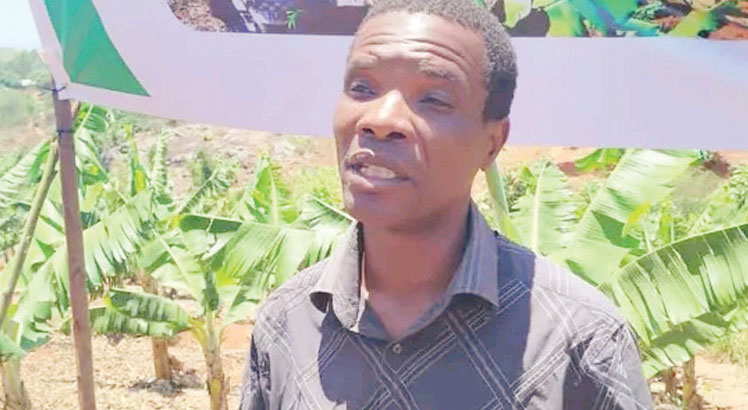
“Banana production went down for several years because of the disease. We are now seeing an improvement in production and this is helping us earn money to support our families,” he said.
On his part, T/A Mlenga said farmers are benefitting from the renewed production as they are now able to sell their bananas and improve their living conditions.
“This is a positive development because farmers are once again earning income from bananas. We appreciate the support from the agriculture office, non-governmental organisations and extension workers who have helped revive the crop,” he said.
Thyolo district chief agriculture officer Prince Shaib said his office will continue providing farmers with technical advice on good farming practices to sustain banana production in the district.
He, however, warned farmers against keeping or planting banana plants infected with the disease, saying the practice could spread the disease and threaten other plantations.
“We urge farmers to remove and properly dispose of diseased plants. Keeping infected plants can allow the disease to spread to healthy plantations,” said Shaib.
He also urged farmers to regularly clear bushes from their banana fields to reduce disease risks and promote healthy crop growth.